Colour Matching Guide: Which Colours Suit Indian Skin Tones?
Why do some colours make you glow while others make you look tired? Find your undertone in two minutes, discover the colours that flatter Indian skin, and learn simple rules for combining colours in any outfit.
Quick answer: Your undertone matters more than how fair or dark your skin is. Most Indian skin has warm or neutral undertones, which look great in earthy and jewel tones — mustard, olive, rust, maroon, emerald, teal, coral and cream. Cool undertones shine in blues, purples, pinks and grey. Test colours near your face in daylight, and build outfits with one main colour, one neutral and one accent.
Have you ever tried on a shirt or kurti in a colour you love and thought, "Why does this make me look so tired?" Then a different colour — maybe one you'd never pick — makes your face light up instantly.
That's not a coincidence. It's colour theory, and once you understand a few simple ideas, you can shop with much more confidence.
Indian skin comes in a beautiful range of shades, from very fair to deep brown. But the old advice — "dark people shouldn't wear bright colours" or "fair people should avoid pastels" — is wrong and outdated. What really matters is your undertone, the subtle colour beneath your skin's surface.
This guide will help you find your undertone, discover your best colours, and learn simple rules to combine colours in any outfit.
Skin tone vs undertone
- Skin tone (surface tone) is how light or dark your skin is: fair, wheatish, medium, dusky, deep. It can change with sun exposure.
- Undertone is the colour beneath the surface. It doesn't change with a tan. It's usually warm, cool or neutral.
Two people with exactly the same skin shade can have different undertones — and suit completely different colours.
How to find your undertone in two minutes
Try these tests in natural daylight, without makeup.
1. The vein test
Look at the veins on the inside of your wrist.
- Greenish veins → warm undertone.
- Blue or purple veins → cool undertone.
- A mix, or hard to tell → neutral undertone.
2. The gold vs silver test
Hold gold jewellery and then silver jewellery against your skin.
- Gold looks better → warm.
- Silver looks better → cool.
- Both look good → neutral.
3. The white vs cream test
Hold a pure white cloth and then a cream or off-white cloth near your face.
- Cream looks better; white makes you look washed out → warm.
- Pure white looks crisp and bright → cool.
- Both work → neutral.
4. The sun test
- You tan easily and rarely burn → usually warm or neutral.
- You burn easily → often cool.
Most Indian skin has warm or neutral undertones — golden, olive or peachy. But cool undertones are common too, especially with pinkish or rosy skin.
Best colours for warm undertones
Warm undertones have golden, peachy or yellow hints. Earthy, rich and warm colours look amazing.
- Earth tones: mustard, rust, terracotta, burnt orange, camel, tan, olive green.
- Rich tones: maroon, brick red, deep coral, warm brown, bronze.
- Light shades: cream, ivory, peach, warm beige.
- Metallics: gold, copper, brass.
Use carefully: icy pastels, very cool greys and pure stark white may make warm skin look dull. Try cream instead of white, or add a gold accessory.
Best colours for cool undertones
Cool undertones have pink, red or bluish hints. Cooler, clearer colours look great.
- Blues: navy, royal blue, cobalt, powder blue.
- Purples: lavender, plum, violet, wine.
- Pinks: rose, fuchsia, magenta, berry.
- Greens: emerald, mint, bottle green.
- Neutrals: pure white, grey, charcoal, black.
- Metallics: silver, platinum, white gold.
Use carefully: mustard, orange and very yellow-based colours can clash with cool skin.
Best colours for neutral undertones
Lucky you — most colours work. The most flattering are:
- Jewel tones: emerald, sapphire, ruby, amethyst.
- Muted shades: dusty rose, sage green, soft teal, mauve.
- Classic neutrals: off-white, grey, navy, black, beige.
Just avoid very neon or overly bright shades right next to your face.
Colours that look good on almost every Indian skin tone
Some colours are crowd-pleasers. They suit warm, cool and neutral undertones, at almost every skin depth:
- Teal — maybe the most universally flattering colour.
- Emerald green.
- Maroon and wine.
- Navy blue.
- Off-white and cream.
- Dusty pink.
- Royal blue.
- Mustard (especially for warm and neutral).
If you're buying a gift and don't know the person's colours, choose one of these.
Depth matters too: contrast
Your skin depth affects contrast — how much difference there is between your skin, hair and the colours you wear.
- Fair skin with dark hair (high contrast): bold, high-contrast combinations look striking — black and white, navy and white, red and black.
- Wheatish and medium skin: jewel tones and earthy tones look rich. Medium contrast combos are flattering.
- Dusky and deep skin: bright, saturated colours look stunning — cobalt, fuchsia, mustard, emerald, white. Don't believe the myth that deeper skin should stick to dark colours.
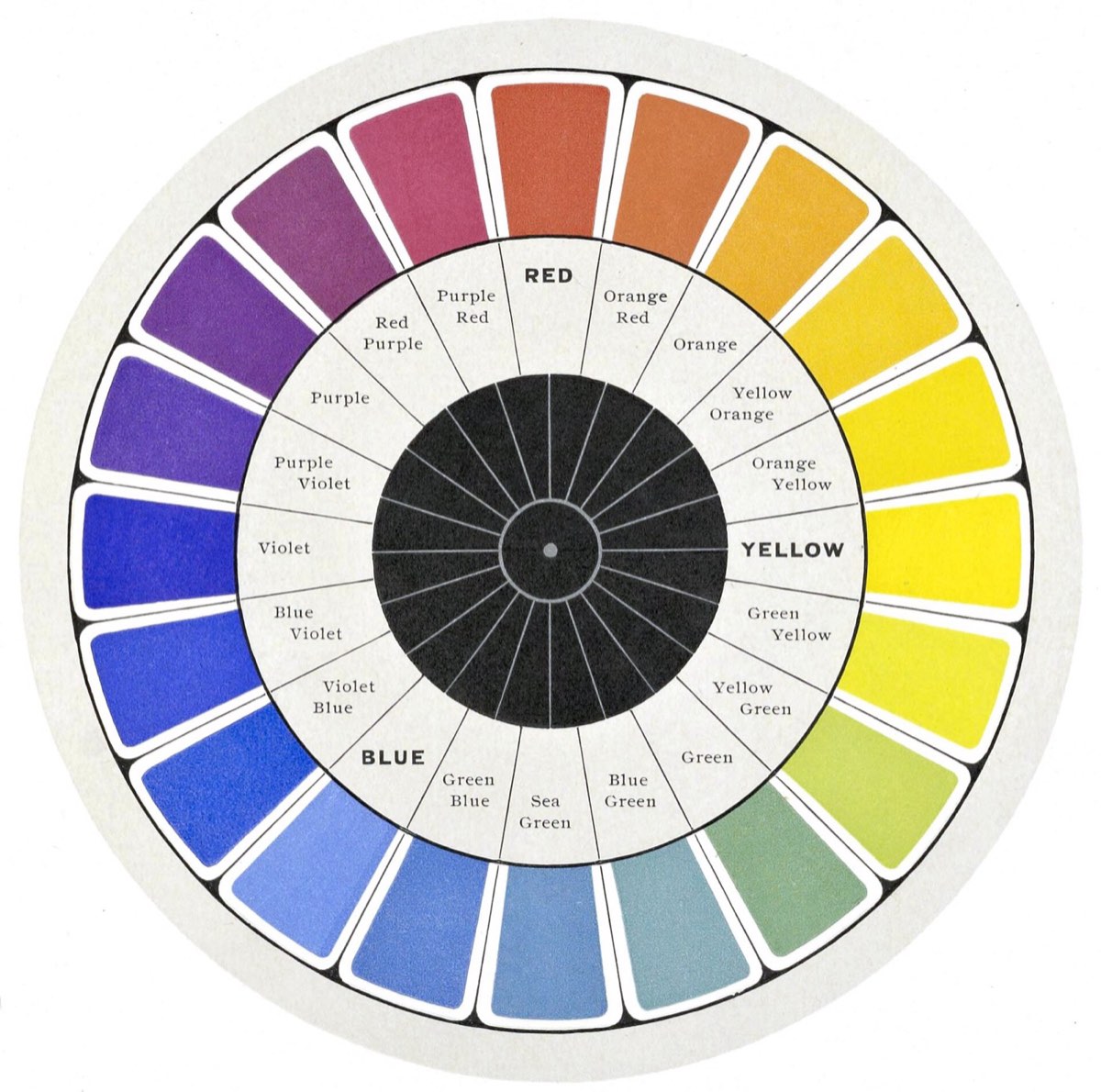
The colour wheel made simple
You don't need to be a designer to use the colour wheel. Here are four combination types:
| Combination | What it is | Example | Feels |
|---|---|---|---|
| Monochrome | Shades of one colour | Light blue shirt + navy pants | Elegant, tall-looking |
| Analogous | Neighbours on the wheel | Mustard + orange + rust | Harmonious, warm |
| Complementary | Opposites on the wheel | Navy + orange, purple + yellow | Bold, eye-catching |
| Neutral + accent | Neutrals with one pop | White + beige + one red piece | Clean, easy |
Easy, proven colour combinations
- Navy + white — always works.
- Olive + cream.
- Maroon + gold — perfect for festive wear.
- Mustard + navy.
- Pink + green — very Indian, very festive.
- Black + any one bright colour.
- Camel + black.
- Light blue + beige.
- Teal + coral.
- Grey + pastel pink or lavender.
The 60-30-10 rule for outfits
Interior designers use this rule, and it works perfectly for clothes:
- 60% — your main colour (usually your pants/skirt or a big piece like a kurti or jacket).
- 30% — a secondary colour (your shirt or top).
- 10% — an accent (shoes, bag, dupatta, watch, scarf).
Example: navy jeans (60%) + white shirt (30%) + tan shoes and belt (10%).
Colours for different occasions
- Office: navy, grey, white, light blue, beige, olive, pastels.
- College and casual: anything goes — have fun with brights and graphics.
- Festivals: maroon, gold, mustard, emerald, royal blue, hot pink, orange.
- Weddings: jewel tones and metallics; avoid looking bridal (red) unless the family is fine with it. See our Punjabi wedding guest guide.
- Interviews: navy, grey, white, light blue — calm, trustworthy colours.
- Summer: white, pastels, light blue, mint, lemon.
- Winter: deep, rich colours — maroon, bottle green, camel, charcoal, mustard.
Colour tips for men
Men often stick to the same few colours. Here's how to expand safely:
- Start with neutrals: navy, grey, white, black, olive, beige.
- Add one new colour at a time: maroon, mustard, teal or rust tees and shirts.
- Colour near your face matters most: shirts and tees show your colours the most.
- Pants and jeans stay neutral: let the top carry the colour — a core idea of any capsule wardrobe.
- Ethnic wear is your chance to go bold: a mustard or maroon kurta looks fantastic on most Indian skin.
Colour tips for women
- Wear your best colours near your face: tops, kurtis, dupattas and scarves.
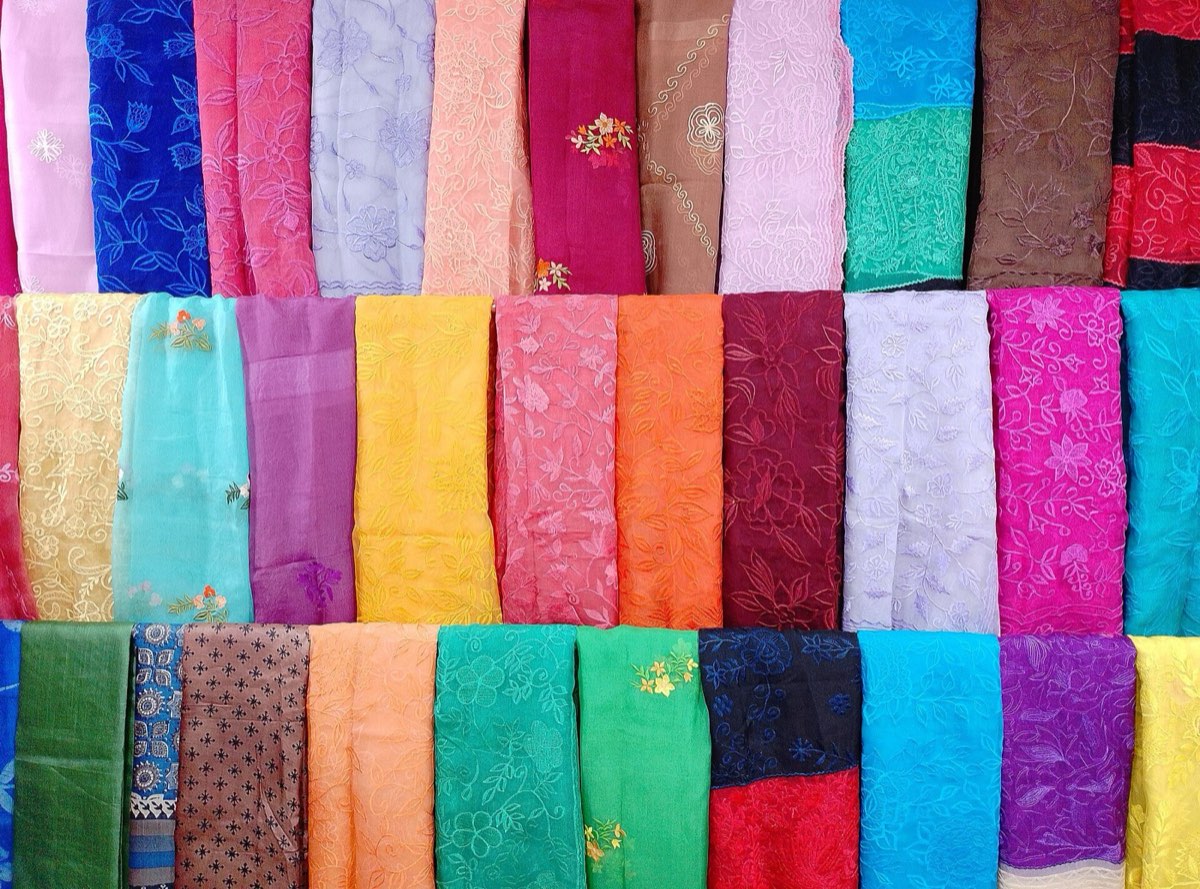
- Use dupattas to experiment: a teal dupatta on a cream suit is an easy way to try a new colour.
- Monochrome makes you look taller: a kurti and palazzo in the same colour family.
- Print colours count too: look at the background colour of a print — it has the biggest effect.
- Makeup changes things: a red lip makes bright colours easier to wear.
Myths about colours and Indian skin
- "Dark skin shouldn't wear bright colours." False. Bright, saturated colours look gorgeous on deeper skin.
- "Fair skin can't wear pastels." False — cool-toned fair skin looks lovely in pastels; warm-toned fair skin just picks warmer pastels like peach.
- "Black suits everyone." Mostly true for clothes worn away from the face, but black right at the face can look harsh on some people. Try charcoal or navy instead.
- "There's only one right colour palette." No — confidence and how a colour makes you feel matter just as much.
How to test colours in a shop
- Stand near a window or under bright white light.
- Hold the garment under your chin, not at arm's length.
- Look at your face, not the garment. Do your eyes look brighter? Does your skin look even? Or do shadows and dark circles stand out?
- Compare two colours side by side — the difference becomes obvious.
- Take a photo — cameras are brutally honest.
Colour by hair, eyes and features
Skin isn't the only thing that matters — your hair and eye colour also affect which colours look best.
- Black hair and dark brown eyes (very common in India): high natural contrast. Rich jewel tones, crisp white and deep colours look striking.
- Brown or highlighted hair: warm, earthy colours often look especially good — mustard, olive, rust and caramel.
- Grey or silver hair: cool tones, soft pastels, navy and charcoal look elegant. Bright jewel tones add life.
- Lighter eyes (hazel, green): colours that echo your eyes — olive, teal, warm brown — make them stand out.
Colour in prints and patterns
Prints follow the same rules as solid colours, with a few extras:
- Look at the background colour first. It covers the most area, so it has the most effect on your face.
- Small prints feel subtle and are easy to wear for the office.
- Large prints are bold and work best when the rest of the outfit is plain.
- Pull a colour from the print for your bottoms or dupatta to tie the outfit together — for example, a navy-and-mustard printed kurti with mustard palazzos.
- Stripes and checks in your colours count as neutrals — they go with almost everything.
Building outfits from one colour you love
Love a colour but not sure what to pair it with? Here are tried-and-tested pairings for some of the most popular colours in Indian wardrobes.
| If you love... | Pair it with | Avoid pairing with |
|---|---|---|
| Maroon | Gold, cream, navy, olive, pink | Bright orange |
| Mustard | Navy, white, olive, grey, maroon | Bright yellow |
| Teal | Coral, cream, gold, grey, white | Turquoise |
| Olive | Cream, white, rust, black, beige | Bright green |
| Pink | Green, navy, grey, white, gold | Bright red (unless deliberately bold) |
| Royal blue | White, orange, grey, gold, pink | Black (can look heavy) |
| Rust | Cream, olive, denim blue, white | Bright pink |
| Lavender | Grey, white, mint, navy | Yellow-greens |
Seasonal colour tips for Punjab
- Summer: light colours keep you cooler and look fresh — white, cream, light blue, mint, lemon, peach.
- Monsoon: darker colours and prints hide splashes — navy, olive, maroon, teal.
- Winter: deep, rich colours look warm and cosy — maroon, bottle green, mustard, camel, charcoal.
- Festive season: go bold — gold, red, magenta, emerald, royal blue and orange.
Frequently asked questions
Which colour suits Indian skin the most?
Teal, emerald green, maroon, navy, mustard, cream and royal blue flatter most Indian skin tones, because most Indian skin has warm or neutral undertones.
How do I know if my undertone is warm or cool?
Check the veins on your wrist in daylight: green suggests warm, blue or purple suggests cool, and a mix suggests neutral. You can also compare how gold and silver jewellery, or white and cream fabric, look against your skin.
Which colours suit dusky skin?
Bright and rich colours look stunning on dusky skin — cobalt blue, fuchsia, mustard, emerald, coral, white and gold. Avoid colours that are too close to your skin tone, like some beiges and browns, right next to your face.
What colour shirt suits a wheatish complexion?
Navy, olive, maroon, mustard, teal, white and light blue all look great on wheatish skin.
What colours should I avoid?
There's no universal "never" list, but colours very close to your own skin shade can make you look washed out. Warm undertones should be careful with icy pastels; cool undertones with orange and mustard.
Can someone help me choose colours at Trendz Fit Fashion?
Yes — our team is happy to help you try different colours in store. You can also message us on WhatsApp with a photo, and we'll suggest colours from what we have in stock.
Final thoughts
Finding your best colours isn't about rules — it's about noticing what makes you look and feel your brightest. Start with your undertone, test colours near your face in daylight, and build outfits with a simple main-secondary-accent formula.
Come to our store at Dashmesh Market, Balongi, and play with colours — it's the fun part of shopping.
Photo credits
- goblinbox_(queen_of_ad_hoc_bento) — CC BY 2.0
- Unknown author — Public domain
- Galib Tufan — CC BY-SA 4.0