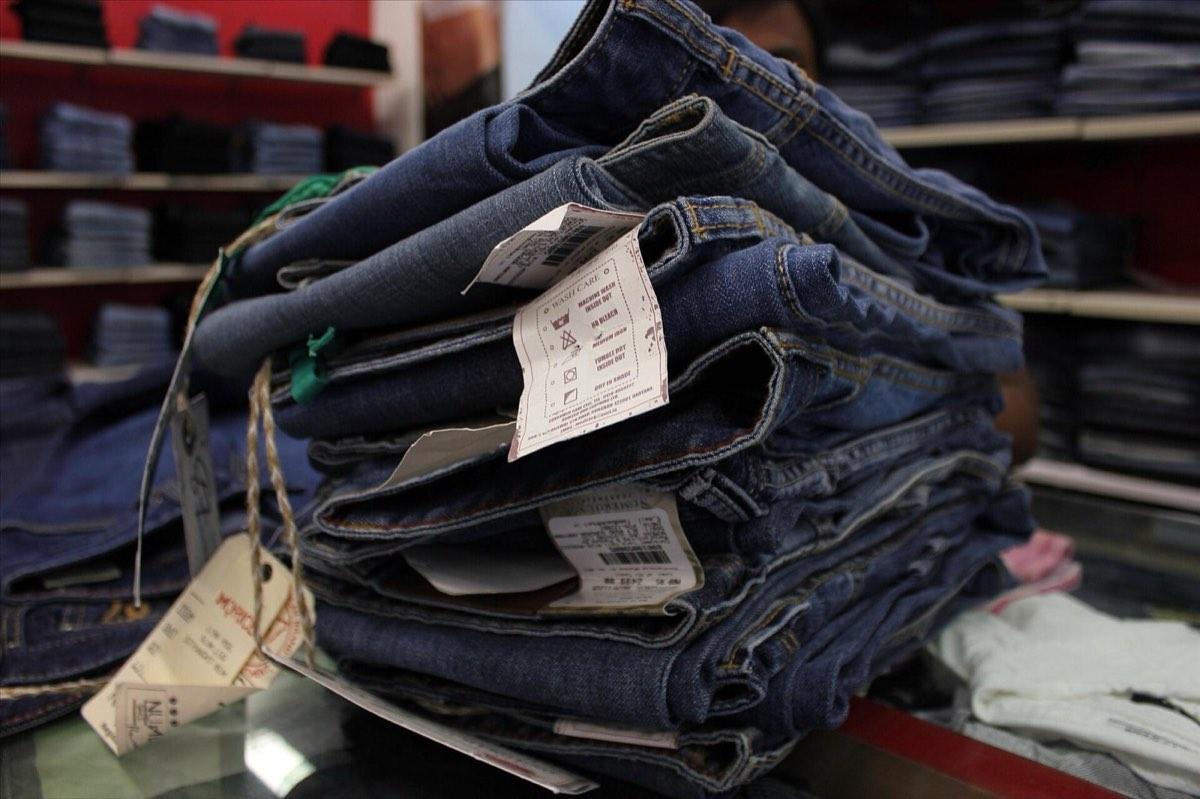
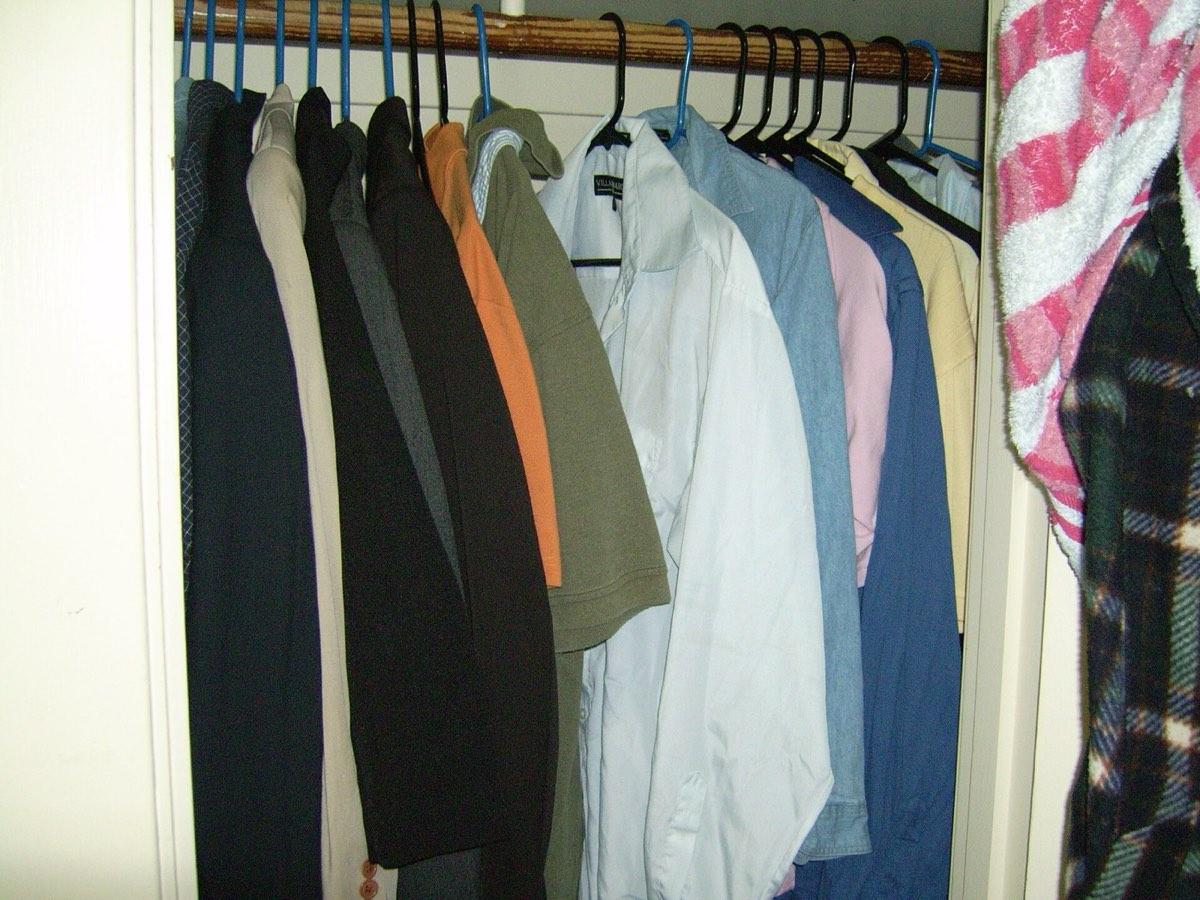
Clothing Fit & Care Guide: Make Every Outfit Look Better and Last Longer
Fit is the difference between looking 'okay' and looking sharp. Learn how shirts, tees, jeans, trousers, kurtis and jackets should fit, what a tailor can fix, and how to wash and store clothes so they last for years.
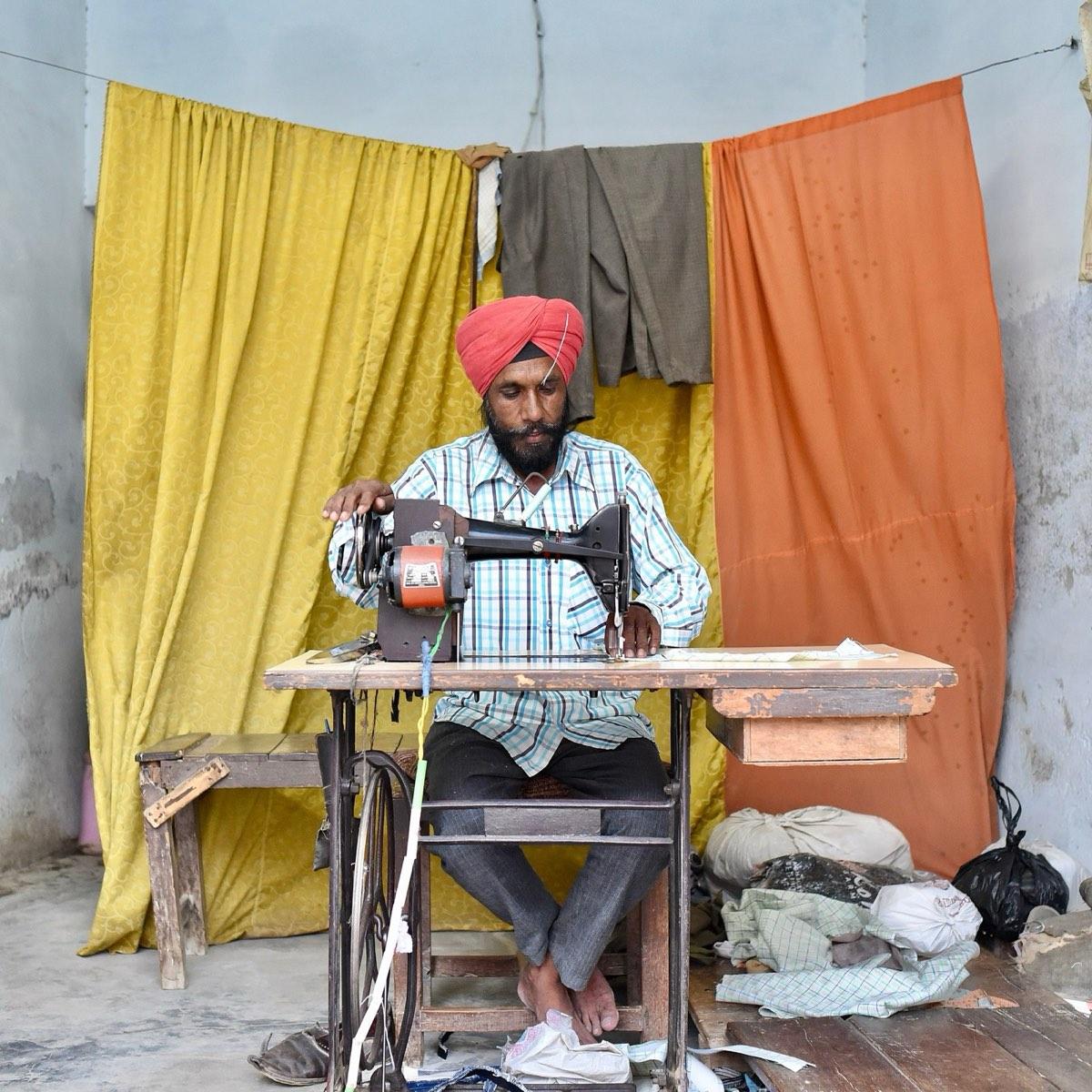
Quick answer: Good fit starts at the shoulders — the seam should sit at the edge of your shoulder (unless the style is deliberately oversized). Shirts should button without pulling, sleeves should end at your wrist bone, trousers should sit comfortably without a gap at the waist, and hems should just touch your shoes. To make clothes last, wash less, wash inside-out in cold water, dry in the shade, and fold knits instead of hanging them.
Here's a secret every well-dressed person knows: fit matters more than price, brand or trend. An affordable shirt that fits perfectly looks better than an expensive one that's too big. A simple kurti that sits right at the shoulders looks more elegant than a heavily embroidered one that doesn't.
And once you've found clothes that fit well, the second secret is looking after them. Good care keeps colours bright, fabrics soft and shapes crisp — so your favourite pieces look new for years, not months.
This guide covers both. First, exactly how different clothes should fit, for men and women. Then, what a tailor can and can't fix. And finally, how to wash, dry, iron and store your clothes the right way.
Why fit matters so much
Good fit:
- Makes you look taller and slimmer by creating clean lines.
- Looks more expensive than it is.
- Feels more comfortable — no pulling, pinching or constant adjusting.
- Lasts longer — clothes that are too tight strain at the seams and wear out faster.
The good news: you don't need a perfect body for clothes to fit well. You just need to know what to look for.
How a shirt should fit
Men's shirts
- Shoulders: the seam sits right at the edge of your shoulder bone. This is the most important point — it's very hard to alter.
- Collar: buttoned, you should fit one or two fingers inside. Tighter is uncomfortable; looser looks sloppy with a tie.
- Chest: buttons lie flat with no pulling into an "X" shape across the chest.
- Waist: some room to move, but no big parachute of fabric when tucked in.
- Sleeve length: cuffs end at the wrist bone, showing a little cuff below a blazer.
- Shirt length: if you wear it untucked, the hem should end around the middle of your fly. Longer shirts are made for tucking.
Women's shirts and tops
- Shoulders: seam at the shoulder edge (unless it's a dropped-shoulder style).
- Bust: no gaping between buttons. If buttons gape, size up and take in the waist instead.
- Sleeves: full sleeves end at the wrist bone; three-quarter sleeves end just below the elbow.
- Length: depends on the style — cropped, hip-length or tunic.
How a t-shirt should fit
- Regular fit: shoulder seam at the shoulder edge, sleeves end mid-bicep, hem around the middle of your fly.
- Slim fit: close to the body but not clinging to the stomach.
- Oversized fit: dropped shoulders, wider sleeves, boxy body — but the neckline should still sit close to the neck. See our oversized t-shirt guide.
- Neckline: shouldn't stretch out or sag. A ribbed collar holds its shape longer.
How jeans and trousers should fit
Jeans
- Waist: two fingers' room in the waistband; no gap at the back when you stand.
- Seat: snug, no sagging.
- Thighs: a little room to pinch (except skinny fits).
- Length: just touching your shoes for straight and slim fits.
- Squat test: squat down. If the waistband digs in or the back gapes, try another size or fit.
For much more detail, read our jeans fit guide.
Formal trousers
- Waist: sits comfortably without a belt holding it up.
- Seat and thighs: smooth, no pulling lines or excess fabric.
- Break: the hem should rest lightly on your shoe — a "slight break" is the modern standard.
- Pleats: shouldn't pull open when you stand.
How a kurti or kurta should fit
Kurtis
- Shoulders: seam at the shoulder edge.
- Bust: no pulling at the side seams or darts.
- Armholes: comfortable — you should be able to lift your arms without the whole kurti riding up.
- Side slits: start at or slightly below the hip, so they open naturally when you walk.
- Length: suits your height. See our kurti styling guide for body-type tips.
Men's kurtas
- Shoulders: at the shoulder edge.
- Chest: room to move, but not billowing.
- Length: usually knee-length for traditional kurtas, mid-thigh for short kurtas.
- Sleeves: end at the wrist bone.
How a jacket or blazer should fit
- Shoulders: sit flat with no dents or overhang. If the shoulder pad extends past your shoulder, it's too big.
- Buttoned: no "X" creases around the button.
- Sleeves: show about 1 cm of shirt cuff.
- Length: a blazer should cover your seat (or most of it); casual jackets usually end at the waist or hip.
- Movement: you should be able to cross your arms without the back pulling tight.
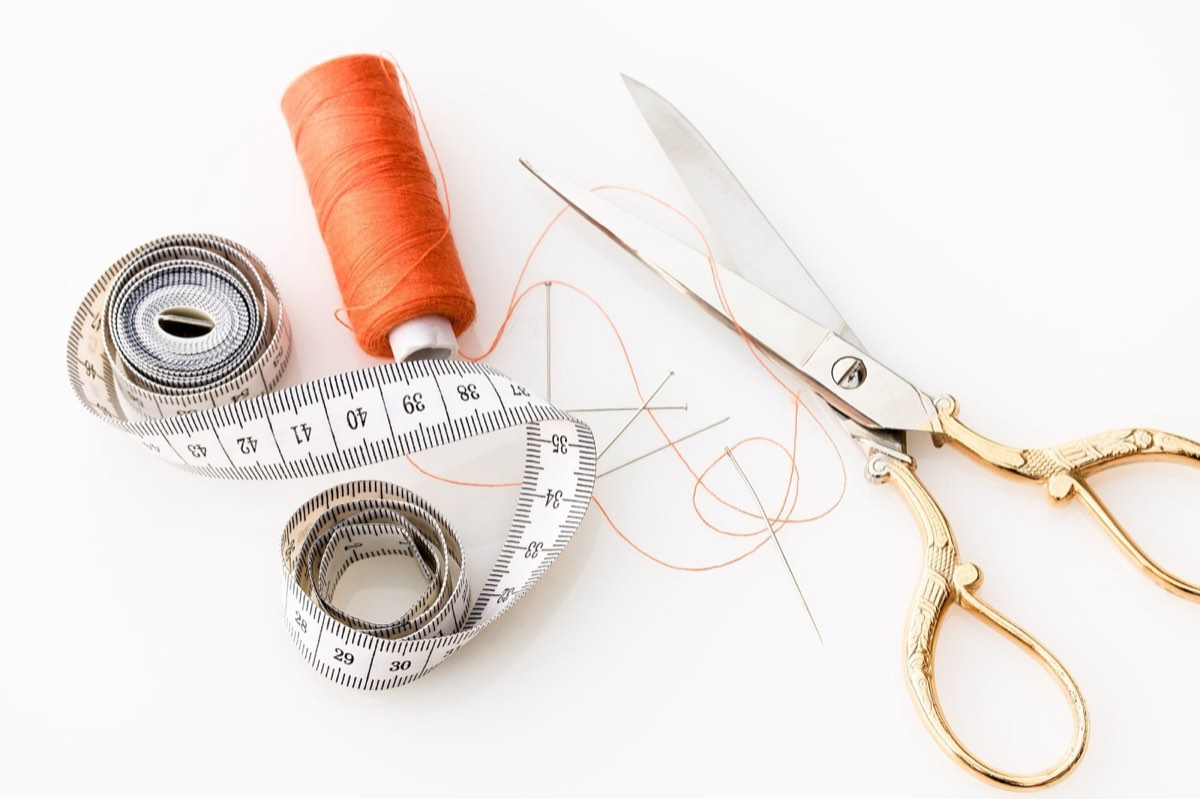
What a tailor can (and can't) fix
Knowing this helps you buy smarter: if a piece fits well in the hard-to-alter areas, a tailor can fix the rest.
| Usually easy to alter | Possible but harder | Very hard / not worth it |
|---|---|---|
| Hemming trousers and jeans | Taking in a jacket's waist | Shoulders that are too wide or narrow |
| Shortening sleeves (no cuffs) | Shortening sleeves with cuffs/buttons | Making something much bigger |
| Taking in a shirt's sides | Tapering jeans' legs | Fixing a too-short jacket or shirt |
| Taking in a kurti's sides | Adjusting the rise of trousers | Fixing a too-tight chest |
| Hemming kurtis and dresses | Re-cutting necklines | Changing the overall cut |
Rule of thumb: buy for the shoulders and the widest part of your body, then have a tailor adjust the rest. A good local tailor can make an affordable piece fit like it was made for you.
Sizing tips when shopping
- Sizes vary between brands. Always try on, and don't fixate on the number.
- Know your measurements: chest/bust, waist, hips, inseam and shoulder width. Write them in your phone.
- Stretch fabrics loosen — choose the snugger size if you're between two.
- 100% cotton can shrink slightly in the first wash. Check the label for "pre-shrunk".
- Try on with what you'll wear — the right innerwear and shoes.
- Move in it: sit, raise your arms, bend, walk.
How to care for your clothes
Good fit only lasts as long as the clothes do. Here's how to keep them looking new.
Washing
- Wash less. Jeans, jackets, sweaters and trousers don't need washing after every wear. Air them out instead.
- Read the care label. It's there for a reason.
- Sort by colour: whites, lights, darks. Wash new dark clothes separately the first few times.
- Turn clothes inside-out to protect prints, embroidery and colour.
- Use cold water for most clothes. It's gentler, prevents shrinking and saves electricity.
- Don't overload the machine — clothes need room to move to get clean.
- Use a mesh laundry bag for delicates, embroidery and anything with sequins.
- Use less detergent than you think. Too much leaves residue that dulls colours.
- Zip zips and button buttons before washing to protect other clothes.
Drying
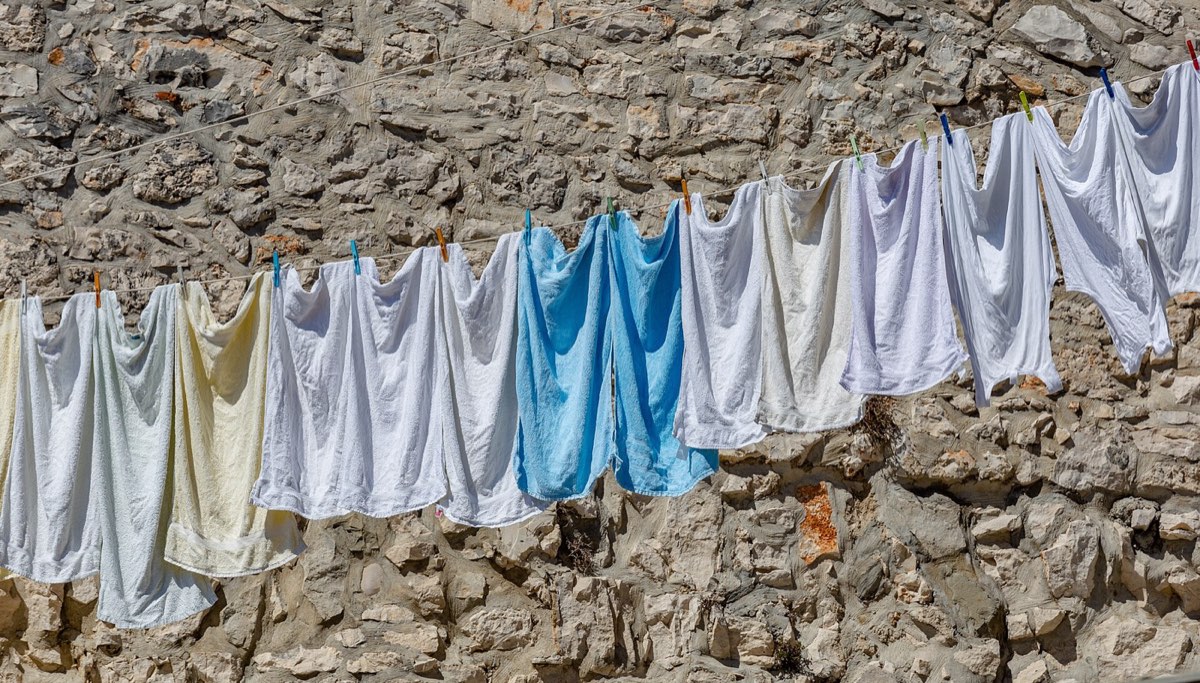
- Dry in the shade. Strong Punjab sun fades colours fast — especially blacks, navies and reds.
- Dry knits flat on a towel, not on a hanger, so they don't stretch.
- Shake out and smooth shirts before hanging to reduce ironing.
- Avoid the dryer for stretch fabrics, wool and anything printed.
Ironing
- Check the temperature on the label: low for synthetics, medium for silk and wool, high for cotton and linen.
- Iron prints and embroidery inside-out.
- Iron while slightly damp for cotton and linen — creases come out much more easily.
- Use a pressing cloth on dark fabrics to avoid shiny marks.
- Steam delicate fabrics and suits instead of pressing them.
Storing
- Fold knits and heavy tees. Hanging stretches the shoulders.
- Use proper hangers for shirts, blazers and kurtis — wide shoulders for jackets.
- Don't overcrowd your wardrobe. Clothes need air to avoid creasing and musty smells.
- Store festive wear wrapped in cotton or muslin, not plastic, which traps moisture.
- Keep out insects with neem leaves, cedar blocks or naphthalene balls (kept away from direct fabric contact).
- Store winter clothes clean — stains set and attract insects.
- Refold silk sarees and heavy dupattas every few months to avoid permanent creases.
Monsoon care
Punjab's humid monsoon months bring fungus and musty smells.
- Make sure clothes are fully dry before storing.
- Keep silica gel packets in wardrobes.
- Air out your cupboard on sunny days.
- Wash and dry towels and gym wear quickly — don't leave them damp.
Quick fixes for common problems
- Pilling on sweaters: use a fabric shaver or a disposable razor gently.
- Faded blacks: wash inside-out in cold water, and use detergent made for dark clothes.
- Stretched neckline: a tailor can sometimes tighten it; otherwise it's time for a new tee.
- Yellow underarm stains on white shirts: soak in a paste of baking soda and water before washing.
- Musty smell: wash with a cup of white vinegar in the rinse, and dry fully in fresh air.
- Loose button: fix it immediately — five minutes now saves losing the button later.
Fabric guide: how to care for what you own
Different fabrics need different care. Here's a quick reference for the most common ones in an Indian wardrobe.
| Fabric | Wash | Dry | Iron | Notes |
|---|---|---|---|---|
| Cotton | Cold or warm, machine | Shade, hang | High heat, slightly damp | May shrink slightly in the first wash |
| Linen | Cold, gentle | Shade, hang | High heat, damp | Creases naturally — that's part of its charm |
| Rayon / viscose | Cold, hand or gentle | Shade, flat or hang | Low–medium, inside-out | Can shrink if washed warm |
| Denim | Cold, inside-out | Shade, hang | Medium, if needed | Wash less often |
| Polyester / blends | Cold or warm, machine | Hang | Low heat | Quick-drying, few creases |
| Wool / knits | Cold, gentle or hand | Flat on a towel | Steam only | Never wring or hang wet |
| Silk | Hand wash or dry-clean | Shade, flat | Low, inside-out with a cloth | Avoid perfume directly on silk |
| Velvet | Dry-clean | — | Steam from inside | Store hanging or loosely folded |
| Embroidered / sequinned | Dry-clean or gentle hand wash | Flat | Inside-out, with a cloth | Wash inside a mesh bag if machine washing |
Packing clothes for travel without creases
Weekend trips to Shimla, Kasauli or Manali, or a wedding in another city — here's how to arrive looking fresh.
- Roll casual clothes like tees, jeans and kurtis — they take less space and crease less.
- Fold shirts and formal wear with tissue paper or a dry-cleaning bag between folds.
- Pack heavy items at the bottom, delicates at the top.
- Carry festive outfits on hangers in a garment bag if you can.
- Hang clothes in the bathroom while you shower — the steam relaxes creases.
- Pack a small travel steamer for weddings.
Shopping for fit: a quick checklist
Take this into the trial room with you:
- Shoulders sit at the right point.
- Buttons lie flat without pulling.
- You can raise your arms and sit down comfortably.
- Sleeves and hems are the right length — or easy to alter.
- The fabric feels good on your skin.
- You can picture three outfits with it straight away.
Frequently asked questions
How should a shirt fit on the shoulders?
The shoulder seam should sit right at the edge of your shoulder bone. If it's past your shoulder, the shirt is too big; if it's up on your shoulder, it's too small. The exception is deliberately oversized or dropped-shoulder styles.
What can a tailor alter on a kurti?
A tailor can easily take in the sides, shorten the length and sleeves, and adjust slits. Fixing shoulders that are too wide or making a kurti much bigger is difficult.
How often should I wash jeans and sweaters?
Jeans every 5–10 wears unless visibly dirty, and sweaters every 4–6 wears. Air them out between wears.
How do I stop black clothes from fading?
Wash them inside-out in cold water with a mild detergent, don't overload the machine, avoid the dryer, and dry them in the shade.
How should I store festive and wedding clothes?
Clean them first, wrap them in cotton or muslin cloth (not plastic), keep them in a dry place with neem leaves or cedar, and refold them every few months to avoid permanent creases.
Can I check the fit before visiting Trendz Fit Fashion?
Yes — send us your measurements or usual size on WhatsApp, and we'll tell you which sizes and fits we have. Trying on in store is always best, and our team is happy to help.
Final thoughts
Fit and care are the two habits that make an ordinary wardrobe look extraordinary. Buy for the shoulders and the widest part of your body, let a tailor perfect the rest, and treat your clothes gently. They'll look better on you — and stay with you for years.
Visit us at Dashmesh Market, Balongi — try things on, move in them, and leave with clothes that truly fit.