The Complete Winter Layering Guide for Mohali & Chandigarh
Foggy mornings, sunny afternoons and freezing nights — how to layer smartly for a Tricity winter without looking bulky. Formulas for men and women, fabrics that actually work, and what to buy first.
Quick answer: For a Mohali winter, dress in three layers you can peel off — a thin base (thermal or cotton tee), a warm middle (sweater, sweatshirt or fleece) and an outer layer that blocks wind (jacket or long coat). Start the day with all three, and drop to two by lunchtime when the sun comes out.
Winter in the Tricity is a strange season to dress for. December mornings in Mohali can sit close to 5°C with fog so thick you can't see the next block, yet by 1 pm the sun is out and it feels like spring. Then the evening chill arrives fast, and by the time you are heading home from Phase 7 market or a dhaba on the airport road, it is properly cold again.
That swing — sometimes 15 degrees in a single day — is exactly why layering matters more here than buying one huge jacket. A single heavy coat leaves you sweating in a warm office or a crowded bus. Smart layers let you adjust as the day changes, and they look a lot more stylish too.
This guide covers everything we explain to customers who walk into our Balongi store each November: how layering works, which fabrics are worth paying for, ready-made outfit formulas for men and women, and how to build a winter wardrobe without spending a fortune.
Why layering beats one heavy jacket
Warmth comes from trapped air, not just thick fabric. Every layer you wear traps a thin pocket of warm air against your body. Three thin layers trap more air than one thick one — and you can take one off when you walk into a heated room.
Layering also solves three problems that every Punjab winter throws at you:
- Big temperature swings. Cold morning, warm afternoon, cold night. Layers let you adjust instead of suffering.
- Indoor heat. Offices, malls, coaching centres and wedding halls are often heated. A layered outfit lets you take off the outer piece and still look put-together.
- Wind and fog. The damp, foggy cold of December and January cuts through loose knits. An outer layer that blocks wind makes a big difference.
And there is a style bonus. Layers add depth, colour and texture to an outfit. A plain grey sweater looks basic on its own — put an open overshirt and a jacket over it and suddenly it looks considered.
The three-layer system, explained
Think of every winter outfit as three jobs: keep warmth in, hold warmth, and keep the weather out.
1. Base layer — the one touching your skin
The base layer manages warmth and sweat. On the coldest days this is a thermal top. On milder days, a regular cotton t-shirt or a fitted full-sleeve tee is enough.
- Thermals: thin, close-fitting and surprisingly warm. Choose a neutral colour (black, grey, skin tone) so it doesn't show through a lighter shirt.
- Full-sleeve tees: great under shirts and sweatshirts and on their own on sunny afternoons.
- Fit matters: the base layer should be close to the body. A loose base layer bunches up under everything else.
2. Middle layer — the warmth
This is where most of the warmth comes from, and where you show the most personality.
- Sweaters and pullovers: crew neck for a clean look, V-neck to show a shirt collar, turtleneck for the coldest days.
- Sweatshirts and hoodies: casual, comfortable and perfect for college and weekends.
- Cardigans: easy to take on and off, and they work over both kurtis and western wear.
- Fleece: light, warm and quick-drying — practical for early-morning commutes on a two-wheeler.
3. Outer layer — the shield
The outer layer blocks wind and the damp cold. It is also the first thing people see, so it is worth choosing well.
- Puffer jackets: the warmest option for two-wheeler riders and late nights.
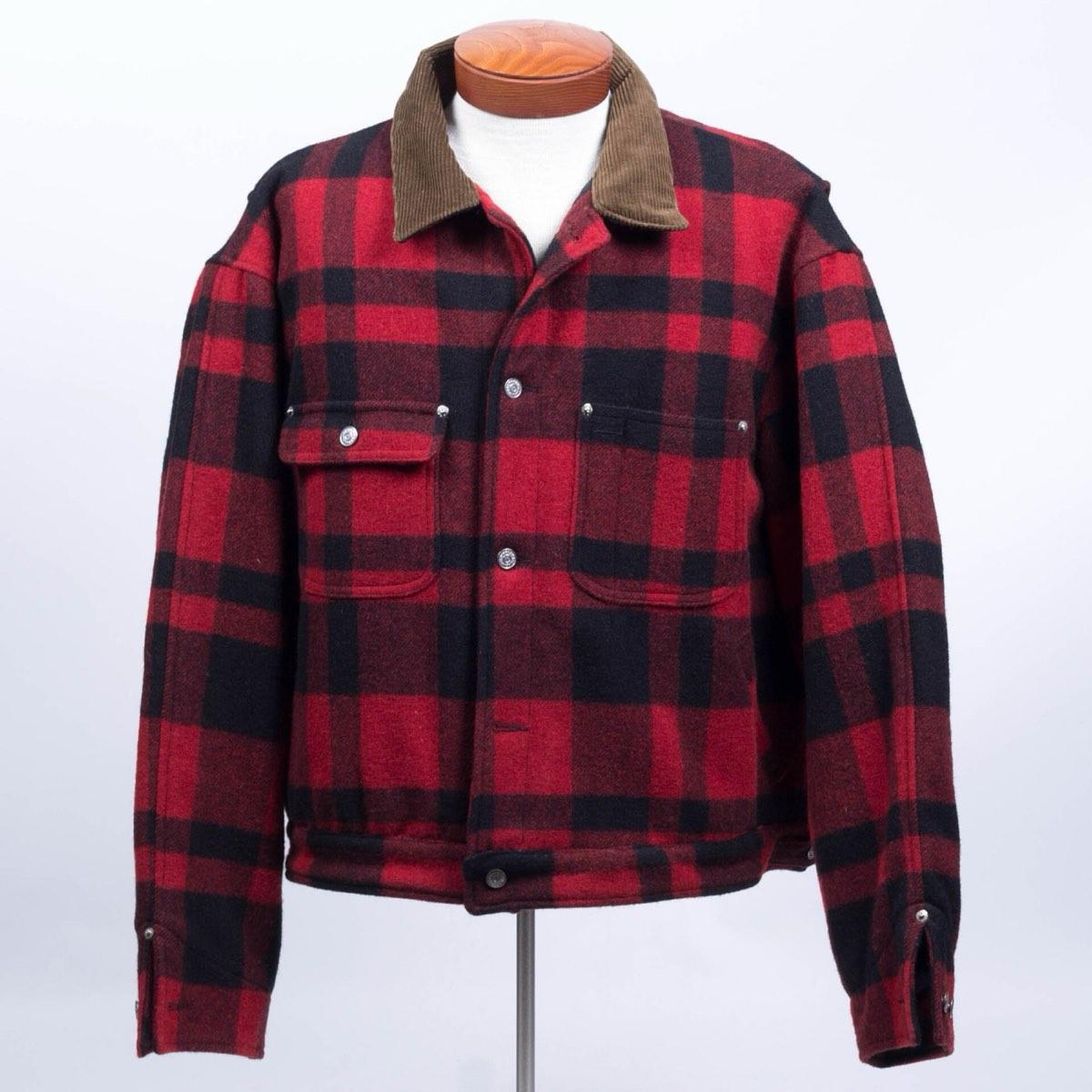
- Bomber jackets: smart-casual and lighter; great for November and February.
- Denim jackets: a classic for the mild ends of winter, especially layered over a hoodie.
- Long coats and overcoats: the dressiest option — ideal for weddings, office wear and evening events.
- Shawls and stoles: a very Punjabi outer layer, and still one of the most elegant over a suit or kurti.
Fabrics: what's actually warm (and what's not)
Not every winter garment that looks thick is warm. Here is what to check on the label and by feel when you shop.
| Fabric | Warmth | Best for | Watch out for |
|---|---|---|---|
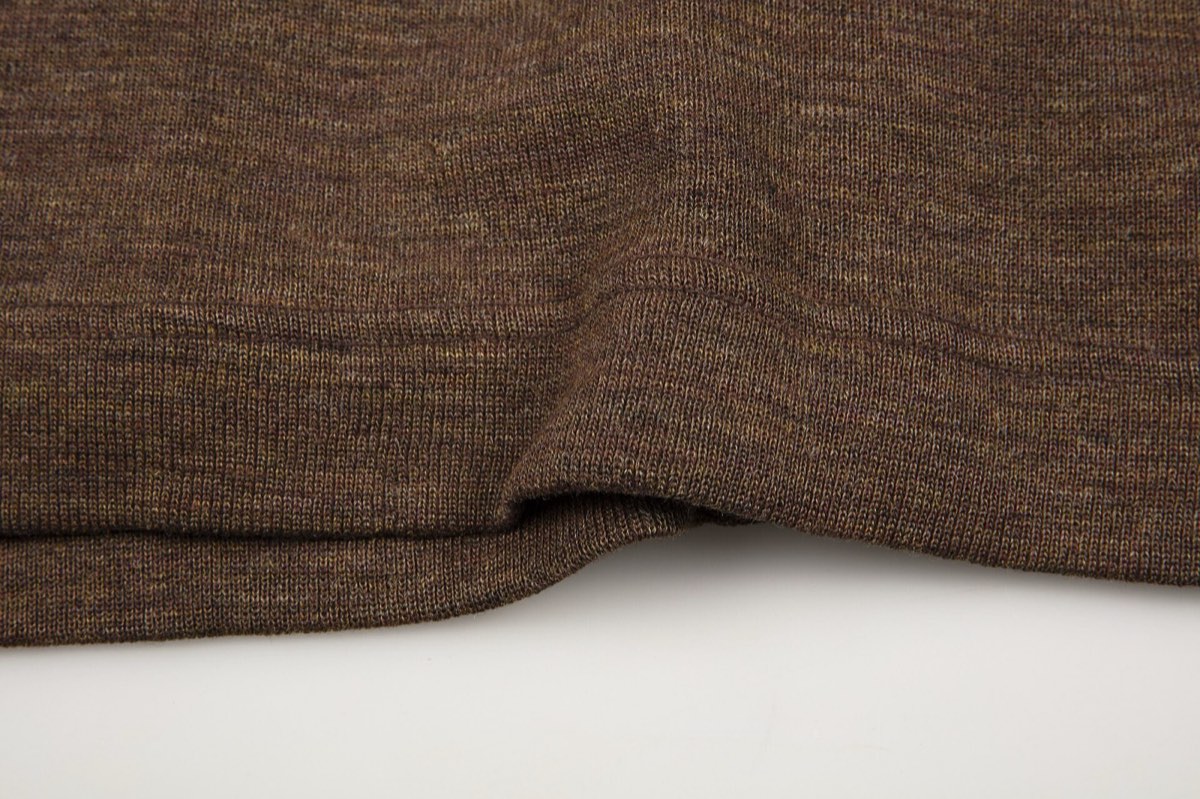
| Wool & wool blends | Very high | Sweaters, coats, shawls | Can itch — wear a base layer underneath |
| Acrylic knits | Medium–high | Affordable sweaters and cardigans | Can pill over time; wash inside-out |
| Fleece | High for its weight | Zip-ups, hoodies, linings | Attracts lint; not very dressy |
| Cotton fleece (sweatshirt fabric) | Medium | Hoodies, sweatshirts, joggers | Takes long to dry |
| Denim | Low–medium | Jackets for mild days | Needs a warm layer underneath in December |
| Quilted/puffer fill | Very high | Outer jackets | Bulky if the fit is too loose |
| Corduroy | Medium | Shirts, overshirts, trousers | Heavier to wash and iron |
| Velvet | Medium | Festive and wedding wear | Delicate — store it carefully |
A simple feel test in the shop: hold the fabric up to the light. If you can see a lot of light through a knit, it will let wind through. Tighter knits and denser fabrics block more wind.
Winter layering formulas for men
You don't need dozens of pieces. These formulas use the same basics in different combinations.
Everyday casual (college, market, weekends)
Fitted full-sleeve tee + hoodie + denim or bomber jacket + jeans + sneakers.
This is the most practical winter look in the Tricity. On the coldest mornings, add a thermal underneath. By afternoon, the jacket comes off and the hoodie alone looks complete. Keep the colours simple: black hoodie with blue jeans, grey hoodie with black jeans, or an olive jacket over a cream hoodie.
Oversized street style
Oversized graphic tee + open flannel or overshirt + puffer jacket + relaxed jeans or track pants.
Oversized looks work brilliantly in winter because there is room for layers underneath. Let the flannel hang open so the graphic tee shows, and keep the puffer in a solid colour so the outfit doesn't get too busy.
Smart office
Shirt + V-neck or crew-neck sweater + blazer or overcoat + trousers or dark jeans + leather shoes.
Let the shirt collar sit on top of the sweater. Navy sweater with a white or light-blue shirt is a combination that never fails. On colder days, swap the blazer for a long overcoat in camel, grey or black.
Night out or dinner
Turtleneck or fine-knit sweater + leather or suede jacket + black jeans + boots or clean white sneakers.
A black turtleneck under a brown jacket is one of the sharpest winter looks a man can wear, and it is simple to put together.
Wedding guest
(For function-by-function ideas, see our Punjabi wedding guest outfit guide.)
Kurta + Nehru jacket + shawl, or shirt + sweater vest + suit/blazer.
Punjabi winter weddings are long, outdoor and cold after sunset. A Nehru jacket over a kurta adds warmth and looks festive. A shawl draped over one shoulder finishes the look and can come off when the dancing starts.
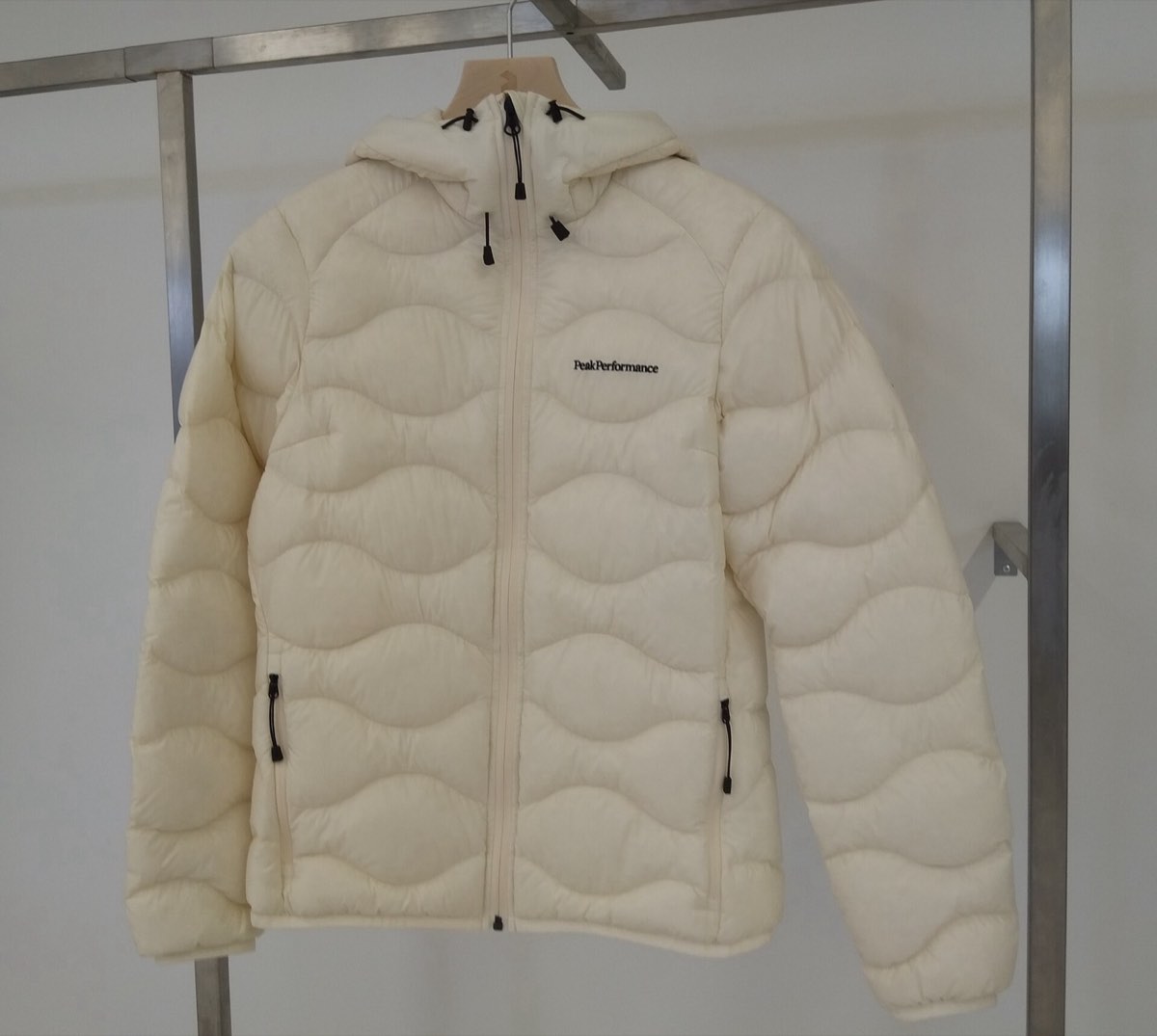
Winter layering formulas for women
Everyday western
Fitted thermal or tee + oversized sweater + long coat or puffer + jeans + ankle boots or sneakers.
The trick is balance: if the sweater is oversized, keep the jeans slim or straight. If the coat is long, let it hang open so you can see the outfit underneath.
Kurti in winter
Thermal + kurti + cardigan or short jacket + leggings or straight pants + shawl or stole.
Kurtis are year-round staples, and they layer beautifully (see our kurti styling guide). A thermal under a cotton kurti makes it wearable in January. A short denim jacket or a cropped cardigan over a straight kurti looks modern; a long shawl over an A-line kurti looks classic. Leggings with a fleece lining are a winter game-changer.
Co-ord set layered up
Knit co-ord set + long coat + boots.
Knitted co-ord sets (matching sweater and pants) are one of the easiest winter outfits — one decision, fully warm. Throw a long coat over the top for going out.
College and casual
Hoodie or sweatshirt + puffer or denim jacket + jeans or joggers + sneakers.
Comfortable, warm and easy. Choose one statement piece — a bright puffer, a printed hoodie — and keep the rest neutral.
Winter wedding guest
Velvet or heavy silk suit + embroidered shawl + closed heels or juttis.
For winter weddings, velvet suits and heavier fabrics are both warmer and more festive than light georgettes. Pick jewel tones — maroon, bottle green, royal blue — and carry a shawl you can drape for photos and wrap around you after dinner.
Colours that work in a Tricity winter
Winter is the best season for rich, deep colours. They look warm, hide the dust and mud of foggy days, and photograph beautifully in winter light.
- Neutrals to build on: black, charcoal grey, navy, camel, olive, cream.
- Accent colours: maroon, mustard, bottle green, rust, burgundy.
- Easy combinations: camel coat + black outfit; navy sweater + grey trousers; olive jacket + cream hoodie; maroon sweater + blue jeans; all-black with one bright scarf.
A good rule: keep your coat or jacket neutral (you will wear it with everything) and use sweaters, hoodies, scarves and shawls to add colour.
Accessories that do real work
Winter accessories are both functional and the quickest way to refresh an outfit.
- Scarves and mufflers: block cold air at the neck — the area where you lose the most heat when you ride a bike or scooter.
- Beanies and caps: essential for early mornings and late nights.
- Gloves: a must if you ride a two-wheeler in December and January.
- Socks: wool-blend socks make a bigger difference than most people expect.
- Shawls and stoles: for women and men alike, a shawl turns a simple outfit into a festive one in seconds.
What to buy first: building a winter wardrobe on a budget
If you are starting from scratch — maybe you have moved to Mohali for college or a new job — buy in this order. Each piece multiplies the outfits you can make.
- Two thermals (one top, one bottom) in neutral colours.
- One neutral hoodie or sweatshirt — black, grey or navy.
- One crew-neck sweater that works over a shirt and over a tee.
- One versatile outer layer — a puffer if you ride a two-wheeler, a bomber or denim jacket if you mostly travel by car or bus.
- One pair of dark jeans that fits well.
- Warm socks, a scarf and a beanie.
- One dressier piece — a long coat, a blazer or a velvet suit — for weddings and events.
With just these, you can make more than a dozen different winter outfits.
Common winter styling mistakes
- Too many bulky layers. If every layer is thick, you will look and feel stiff. Keep the base layer thin and fitted.
- Ignoring fit. A jacket that is too big at the shoulders makes everyone look sloppy. The shoulder seam should sit at your shoulder edge, even on oversized styles — oversized is a choice of silhouette, not just a bigger size.
- The wrong sleeve lengths. Inner sleeves poking out messily past your jacket cuff look untidy. Either push them up neatly or choose a slightly shorter inner layer.
- Sneakers that can't handle the weather. Foggy mornings mean wet roads. Darker sneakers or boots hide splashes better than bright white canvas.
- Forgetting the evening. It always gets colder than you expect after sunset. Carry the extra layer.
Caring for winter clothes
Winter clothes are an investment, so a little care goes a long way.
- Wash knits inside-out on a gentle cycle in cold water, and dry them flat so they don't stretch.
- Don't hang heavy sweaters — fold them. Hanging pulls the shoulders out of shape.
- De-pill with a fabric shaver to make old sweaters look new again.
- Air jackets and coats after wearing instead of washing them every time.
- Store winter clothes clean in March with a few neem leaves or naphthalene balls to keep insects away.
Frequently asked questions
When does winter start in Mohali and Chandigarh?
Light winter clothing usually becomes useful from early November, real cold arrives by mid-December and lasts through January, and the mornings stay cool into February. December and January are the months that need thermals, heavy jackets and gloves.
What should I wear on a foggy winter morning in Mohali?
Wear all three layers: a thermal or full-sleeve tee, a sweater or hoodie, and a wind-blocking jacket, plus a scarf and gloves if you ride a two-wheeler. Choose darker shoes, as roads are often damp in fog.
Are puffer jackets too warm for Chandigarh winters?
Not in December and January, especially early in the morning and at night. In November and February, a lighter bomber or denim jacket over a sweater is usually more comfortable.
How can I wear a kurti in winter?
Wear a thermal underneath, choose fleece-lined leggings or warm straight pants, and add a cardigan, short jacket or shawl on top. Cotton kurtis layer best; heavier fabrics like velvet and wool-blend kurtis are warm on their own.
What is the best winter outfit for college?
A fitted tee, a hoodie or sweatshirt, a denim or puffer jacket, jeans and sneakers. It is warm in the morning, and you can take the jacket off once classes heat up.
Can I find winter wear at Trendz Fit Fashion in Balongi?
Yes — our winter stock arrives through November and changes through the season. Message us on WhatsApp with what you are looking for and your size, and we will send photos of what we have before you visit.
Final thoughts
The best winter wardrobe isn't the biggest one. It is a handful of pieces that layer well together: a thin base, a warm middle and an outer layer that blocks the wind. Get those right, and the Tricity's foggy mornings and sunny afternoons stop being a problem.
Whenever you are ready, drop by our store at Dashmesh Market, Balongi. Try a few layers together, see what suits you, and walk out ready for the season.
Photo credits
- Menswear Market — CC BY 2.0
- Piqua Hosiery Co — Public domain
- Jjanhone — CC BY-SA 4.0